Elevate Your Space: Infusing Spiritual Serenity with Mandala Designs
In today's fast-paced world, creating a sanctuary within your home has become more important than ever. The spaces we inhabit directly influence our mental well-being, emotional balance, and spiritual growth. One of the most powerful ways to transform your environment into a haven of tranquility is through the incorporation of mandala designs. These ancient geometric patterns, rich with spiritual significance and aesthetic beauty, have the remarkable ability to elevate any space from ordinary to extraordinary. At BensonCastillo, we understand the profound impact that thoughtfully curated design elements can have on your living environment, and we're here to guide you through the journey of infusing spiritual serenity into your home.
Understanding Mandalas: Ancient Wisdom Meets Modern Design
Mandalas have captivated human consciousness for thousands of years, originating in Hindu and Buddhist traditions as sacred geometric representations of the universe. The word "mandala" itself comes from Sanskrit, meaning "circle" or "completion," and these intricate designs are far more than mere decorative elements. They represent wholeness, unity, and the interconnectedness of all things. Each mandala is a visual meditation, a gateway to deeper spiritual understanding and inner peace.
The Historical Significance of Mandala Art
The history of mandalas stretches back centuries, with evidence of their use in religious ceremonies, spiritual practices, and artistic expressions across multiple cultures. In Hinduism, mandalas were created as offerings to deities and as tools for meditation and prayer. Buddhist monks meticulously crafted sand mandalas as part of their spiritual practice, spending weeks creating intricate designs only to ceremonially destroy them, symbolizing the impermanence of all things. This ancient wisdom has been preserved and evolved, making mandalas relevant and meaningful in contemporary spiritual practice.
The Symbolism Behind Mandala Patterns
Each element within a mandala carries specific symbolic meaning. The center point, or bindu, represents the source of all creation and the self. The concentric circles radiating outward symbolize the expansion of consciousness and the journey from the inner self to the outer universe. The geometric patterns, whether triangles, squares, or more complex shapes, each carry their own significance. Triangles often represent the divine trinity or the balance of mind, body, and spirit. Squares symbolize stability and the earthly realm, while circles represent completeness and the eternal cycle of life. Understanding these symbols allows you to choose mandalas that resonate with your personal spiritual journey and intentions.
The Psychological Impact of Mandala Designs on Your Environment
Beyond their spiritual significance, mandalas have a profound psychological impact on those who view them. Numerous studies have demonstrated that exposure to mandala patterns can reduce stress, anxiety, and promote a sense of calm and well-being. The symmetrical nature of mandalas naturally draws the eye inward, encouraging a meditative state of mind. When you gaze upon a mandala, your brain naturally seeks to find patterns and order, which can be deeply soothing and centering.
How Mandalas Influence Brain Activity
Research in neuroscience has shown that viewing mandala patterns activates the parasympathetic nervous system, which is responsible for promoting relaxation and reducing stress responses. The symmetrical, repetitive nature of mandala designs creates a visual rhythm that can lower heart rate and blood pressure. This is why many people find themselves naturally drawn into a meditative state when contemplating a mandala. The geometric precision and balance of these designs provide a sense of order and control, which can be particularly beneficial in our chaotic modern lives.
Creating a Focal Point for Mindfulness
When you incorporate a mandala into your living space, you create a natural focal point for mindfulness and meditation. Whether it's a large wall hanging, a tapestry, or a framed print, a mandala serves as a visual anchor that can help you transition from the busyness of daily life into a state of inner peace. By dedicating even a few minutes each day to gazing upon your mandala, you can establish a meaningful meditation practice that supports your spiritual growth and emotional well-being.
Choosing the Right Mandala Design for Your Space
Selecting the perfect mandala for your home requires consideration of several factors, including your personal aesthetic preferences, the energy you wish to cultivate, and the specific room where you'll be displaying it. Different mandala designs carry different energetic qualities, and choosing one that aligns with your intentions can amplify its positive effects on your space.
Color Symbolism in Mandala Design
Color plays a crucial role in mandala design and can significantly influence the energy of your space. Red mandalas are associated with passion, energy, and grounding, making them ideal for spaces where you want to cultivate vitality and motivation. Orange mandalas promote creativity, joy, and social connection, making them perfect for living rooms or creative spaces. Yellow mandalas represent clarity, optimism, and intellectual stimulation, making them excellent choices for home offices or study areas. Green mandalas symbolize healing, growth, and balance, making them ideal for bedrooms or meditation spaces. Blue mandalas promote calm, communication, and spiritual awareness, making them perfect for spaces dedicated to relaxation and reflection. Purple mandalas are associated with spirituality, intuition, and transformation, making them excellent choices for meditation rooms or spiritual practice spaces.
Size and Scale Considerations
The size of your mandala should be proportional to your space and the effect you wish to create. A large mandala can serve as a dramatic focal point and command attention, making it ideal for feature walls or prominent spaces. Medium-sized mandalas work well as accent pieces that complement your existing decor without overwhelming the space. Smaller mandalas can be grouped together to create a gallery wall effect or placed on shelves and surfaces for subtle spiritual touches. Consider the scale of your furniture and the overall dimensions of your room when selecting the size of your mandala.
Matching Mandalas to Room Functions
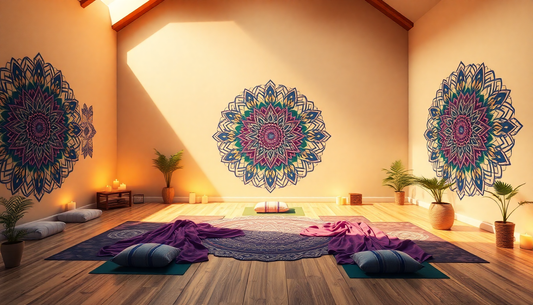
Different rooms serve different purposes and require different energetic qualities. For bedrooms, choose calming mandalas in soft, soothing colors like blues, purples, or greens. These will promote restful sleep and peaceful dreams. For living rooms, consider mandalas in warmer tones like oranges, reds, or golds that encourage social connection and positive energy. For home offices or study spaces, select mandalas in yellows or clear blues that promote focus, clarity, and mental acuity. For meditation or yoga spaces, choose mandalas that resonate with your spiritual practice, whether that's traditional designs or more contemporary interpretations.
Incorporating Mandalas into Your Interior Design
Successfully integrating mandala designs into your home requires thoughtful consideration of your existing decor style and the overall aesthetic you wish to create. Mandalas are incredibly versatile and can complement a wide range of interior design styles, from bohemian and eclectic to minimalist and contemporary.
Mandala Wall Art and Tapestries
One of the most popular ways to incorporate mandalas into your space is through wall art and tapestries. A large mandala tapestry can serve as a stunning focal point in any room, instantly transforming the energy of the space. Mandala wall art comes in various formats, including framed prints, canvas paintings, and metal wall sculptures. When selecting wall art, consider the existing color palette of your room and choose a mandala that either complements or provides an intentional contrast to your current decor. A mandala tapestry can also serve a practical purpose, adding texture and warmth to your space while creating visual interest.
Mandala Textiles and Soft Furnishings
Beyond wall art, mandalas can be incorporated into your space through textiles and soft furnishings. Mandala-patterned throw pillows can add comfort and visual interest to your sofa or bed. A mandala-printed throw blanket can provide both warmth and spiritual energy to your relaxation spaces. Mandala-patterned curtains or window treatments can frame your windows beautifully while infusing your space with sacred geometry. Mandala rugs can anchor your room and create a defined space for meditation or yoga practice. These textile elements allow you to layer mandala designs throughout your space in a way that feels organic and intentional.
Mandala Decor and Accessories
Smaller mandala elements can be strategically placed throughout your home to create a cohesive spiritual aesthetic. Mandala-decorated mirrors can reflect light and energy throughout your space while serving a practical purpose. Mandala-patterned throw pillows on chairs or benches create inviting spots for meditation or reflection. Mandala artwork on shelves, nightstands, or desks brings spiritual energy to functional spaces. Mandala-designed planters can hold your favorite plants, combining the natural energy of greenery with the spiritual geometry of mandalas. These smaller elements allow you to experiment with mandala design without making a major commitment.
Creating a Mandala Gallery Wall
For those who want to make a bold statement with mandala design, creating a gallery wall is an excellent option. A collection of mandala prints in various sizes, colors, and styles can create a visually stunning and spiritually powerful focal point in any room. When creating a gallery wall, consider mixing different mandala designs to create visual interest and represent different aspects of your spiritual journey. You can arrange them in a symmetrical pattern that echoes the geometric nature of mandalas themselves, or create a more organic, flowing arrangement that feels natural and intuitive.
The Spiritual Benefits of Living with Mandala Designs
Beyond the aesthetic and psychological benefits, living with mandala designs in your home can deepen your spiritual practice and support your personal growth. Mandalas serve as constant reminders of the sacred geometry that underlies all of creation and can help you maintain a connection to your spiritual intentions throughout your daily life.
Daily Meditation and Mindfulness Practice
Incorporating mandalas into your meditation practice can deepen your spiritual experience and enhance your ability to achieve states of profound peace and awareness. Begin by selecting a quiet space in your home where you can sit comfortably with a clear view of your mandala. Spend a few minutes each day gazing softly at the mandala, allowing your eyes to follow the patterns from the center outward or from the outer edges inward. As you meditate, you may notice your mind becoming quieter and more focused. The mandala serves as an anchor for your attention, helping to quiet the constant chatter of the mind and facilitating deeper states of meditation.
Intention Setting and Manifestation
Mandalas can be powerful tools for intention setting and manifestation. When you select a mandala that resonates with your current goals or desires, you create a visual representation of your intentions. By spending time with your mandala and contemplating your goals, you align your energy with your desires and create a powerful focal point for manifestation. Many people find that having a mandala in their space that represents their current intentions helps them stay focused and motivated as they work toward their goals.
Chakra Alignment and Energy Balancing
Different mandalas can be associated with the seven chakras of the body, each representing different aspects of physical, emotional, and spiritual well-being. By incorporating mandalas associated with specific chakras into your space, you can support the balance and alignment of your energy centers. A red mandala can support your root chakra and sense of grounding and stability. An orange mandala can enhance your sacral chakra and creative energy. A yellow mandala can activate your solar plexus chakra and personal power. A green mandala can open your heart chakra and promote compassion and love. A blue mandala can activate your throat chakra and support authentic communication. An indigo mandala can enhance your third eye chakra and intuition. A violet or white mandala can connect you to your crown chakra and higher consciousness.
Mandala Design Trends and Contemporary Interpretations
While traditional mandala designs remain timeless and powerful, contemporary artists and designers have created innovative interpretations that blend ancient wisdom with modern aesthetics. These contemporary mandalas honor the spiritual essence of traditional designs while offering fresh visual perspectives that resonate with today's design sensibilities.
Modern Minimalist Mandalas
Minimalist mandala designs strip away excess detail to focus on the essential geometric forms and patterns. These designs often feature clean lines, limited color palettes, and a focus on negative space. Minimalist mandalas work beautifully in contemporary and Scandinavian-inspired interiors, providing spiritual depth without visual clutter. These designs appeal to those who appreciate the power of simplicity and the beauty of essential forms.
Watercolor and Artistic Mandalas
Watercolor mandalas blend the precision of geometric mandala patterns with the fluidity and spontaneity of watercolor painting. These designs feature soft color transitions, organic shapes within geometric frameworks, and a sense of movement and flow. Watercolor mandalas are perfect for those who appreciate both structure and artistic expression, and they add a sense of creativity and individuality to any space.
Nature-Inspired Mandalas
Contemporary artists have created mandalas that incorporate natural elements such as flowers, leaves, animals, and celestial bodies. These nature-inspired mandalas maintain the sacred geometry of traditional designs while celebrating the beauty and diversity of the natural world. They're perfect for those who feel a strong connection to nature and wish to honor that connection in their home environment.
Digital and Neon Mandalas
Modern technology has enabled the creation of digital mandalas and even neon mandala installations. These contemporary interpretations bring mandala designs into the 21st century, offering dynamic, glowing alternatives to traditional static designs. Digital mandalas can be displayed on screens or projected onto walls, creating immersive, ever-changing visual experiences. Neon mandalas provide a bold, contemporary aesthetic while maintaining the spiritual essence of traditional designs.
Practical Tips for Displaying Mandalas in Your Home
Successfully displaying mandalas in your home requires thoughtful consideration of placement, lighting, and integration with your existing decor. Here are some practical tips to help you maximize the impact of your mandala designs.
Optimal Placement for Maximum Impact
The placement of your mandala significantly influences its impact on your space and your experience of it. In bedrooms, place mandalas where you can see them from your bed, creating a peaceful focal point as you wake and before you sleep. In living rooms, position mandalas on a prominent wall or above a focal point like a fireplace or sofa. In meditation or yoga spaces, place mandalas at eye level when seated, creating a natural focal point for your practice. In home offices, position mandalas where they can inspire and uplift you during work, perhaps on a wall you face while working or on a shelf within your line of sight.
Lighting Considerations
Proper lighting can dramatically enhance the visual impact and spiritual energy of your mandalas. Natural light is ideal, as it allows the true colors and details of the mandala to shine. If natural light isn't available, consider installing soft, warm lighting that highlights your mandala without creating harsh shadows or glare. Avoid placing mandalas in direct sunlight for extended periods, as this can cause fading over time. For tapestries and textiles, consider using accent lighting or spotlights to create a dramatic effect and draw attention to the design.
Creating Complementary Spaces
While mandalas are beautiful standalone pieces, they're even more powerful when displayed in spaces that support their spiritual energy. Create a meditation corner with a mandala tapestry, comfortable cushions, and perhaps some candles or incense. Pair a mandala with plants to create a natural, grounding energy. Combine mandalas with other spiritual elements like crystals, prayer beads, or sacred texts to create a cohesive spiritual space. The key is to create an environment that feels intentional and supportive of your spiritual practice.
Rotating and Refreshing Your Mandalas
Just as your spiritual journey evolves, so too can your mandala collection. Consider rotating your mandalas seasonally or as your intentions and needs change. This keeps your space feeling fresh and allows you to work with different mandala energies throughout the year. You might choose warming, energizing mandalas during winter months and cooling, calming mandalas during summer. As your spiritual practice deepens, you may find yourself drawn to different mandala designs that reflect your growth and evolution.
Building Your Mandala Collection
Creating a meaningful mandala collection is a journey of discovery and self-exploration. Rather than purchasing randomly, consider building your collection intentionally, with each piece serving a specific purpose or representing a particular aspect of your spiritual journey.
Starting Your Collection
Begin your mandala collection with one piece that truly resonates with you. This might be a mandala that represents your current spiritual focus, a design that simply makes you feel peaceful when you look at it, or a mandala in your favorite color. This first piece will serve as the foundation for your collection and will help you develop a sense of what draws you to mandala design. Don't worry about creating a perfectly coordinated collection; authenticity and personal resonance are far more important than aesthetic perfection.
Expanding Thoughtfully
As you expand your collection, continue to choose pieces that feel meaningful and intentional. Rather than purchasing mandalas simply because they're beautiful, consider what energy or intention each piece brings to your space. You might collect mandalas representing different chakras, different seasons, or different aspects of your spiritual practice. You might choose mandalas by specific artists whose work resonates with you, or mandalas created using specific techniques like watercolor or digital art.
Curating for Different Spaces
As your collection grows, you can curate different mandalas for different spaces in your home. Your bedroom might feature calming, restful mandalas, while your home office features energizing, focus-promoting designs. Your meditation space might showcase traditional, spiritually significant mandalas, while your living room features more contemporary, artistic interpretations. This approach allows you to create a cohesive